
国产凌凌漆
Nanjing Massacre memorial hall receives new evidence of Japanese invasion on 81st anniversary of Japan’s surrender_我的网站

一 | AI摘要 福建莆田夹漈草堂是宋代史学家郑樵著述《通志》之地。郑樵隐居三十载,秉持“会通、求实、创新”思想,成就史学巨著,其治学精神穿越千年,持续激励后人。 郑樵像 核心提示 从莆田市区出发,驱车至涵江区新县镇巩溪村,再沿夹漈山蜿蜒而上,苍松翠竹之间,一座青瓦木构的古朴院落静静矗立。

二 |
August 15 this year marks the 81st anniversary of Japan’s unconditional surrender in World War II. A ceremony themed “Nanjing Will Never Forget” was held on Saturday at the Memorial Hall of the Victims in the Nanjing Massacre by Japanese Invaders in Nanjing, East China’s Jiangsu Province.
At the ceremony, a batch of newly acquired artifacts, historical materials, and documents related to the War of Resistance Against Japanese Aggression, including Japanese soldiers’ private letters, wartime postcards, educational materials on gas warfare, news compilations and French diplomatic archives, was officially added to the memorial hall's collection.
Overseas‑sourced historical archives drew wide attention among the donated materials. French youth Marcus Detrez, his compatriot Bastien Rata and Chinese youth Zhong Haosong jointly donated a set of historical documents on Japan’s aggression against China from the French diplomatic archives in Nantes, as well as Japanese‑language materials they had collected in Japan.
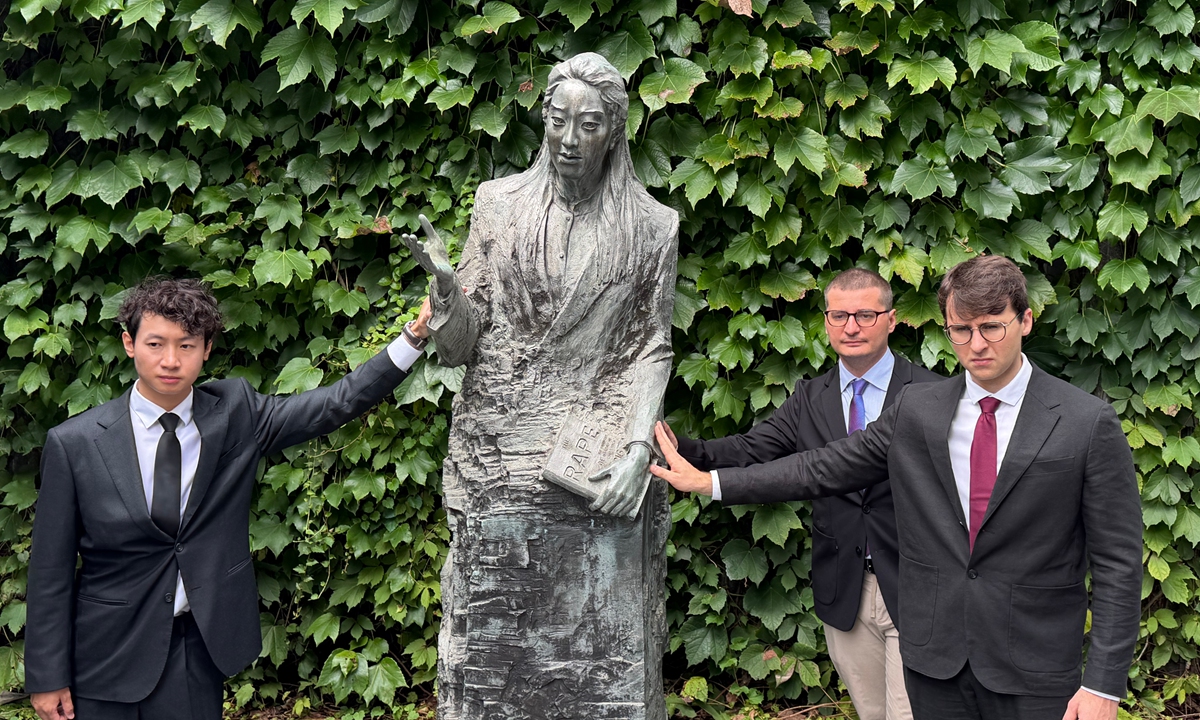
Marcus told Global Times on Saturday that, through these archives and related research, they have gained a deeper understanding of the brutality of the Nanjing Massacre. He said that collecting these materials was also aimed at conducting more educational work to help more people learn about this period of history.
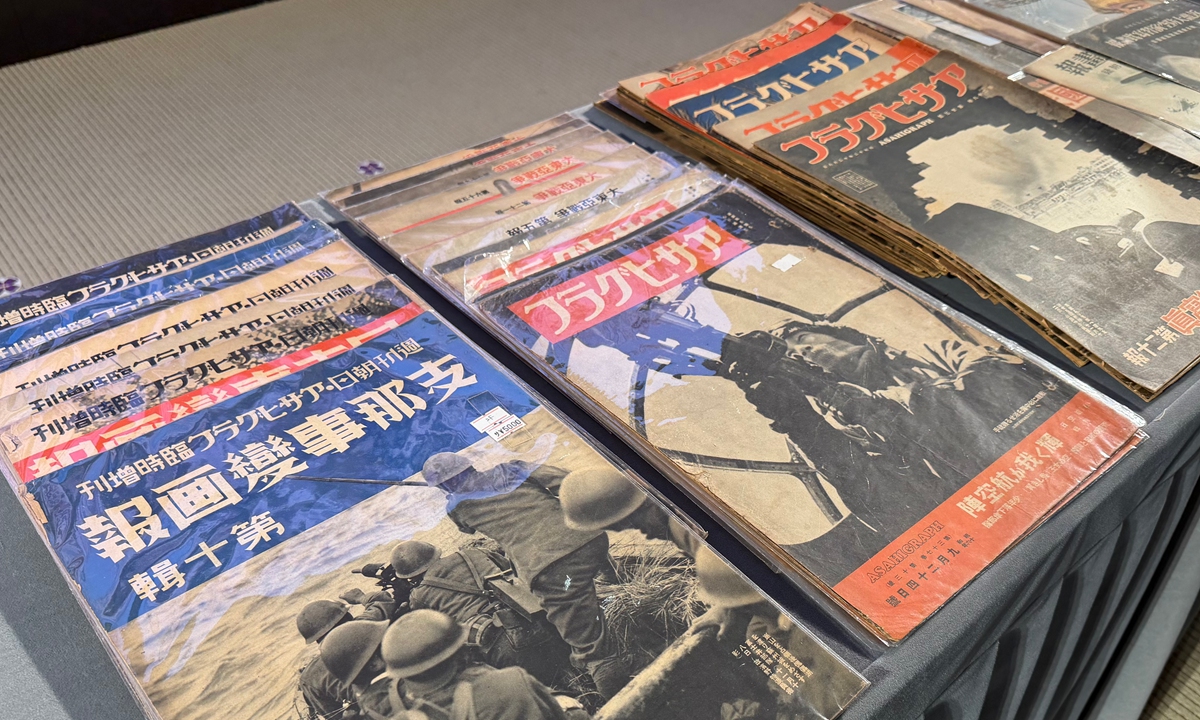
The materials brought back from Japan by Zhong include albums of documentary paintings of the Japanese invasion of China by artists accompanying the invading Japanese army, privately taken photo albums of the invading Japanese troops, and original publications from the same period, including the Asahi Shimbun. These materials all come from original Japanese records.
The overseas historical materials were collected over an extended period. Zhong said they contacted sources online and searched through antique and secondhand book channels while continuing to collect materials in Japan.
The new collection on Saturday also includes materials gathered by Chinese youths. High school student Yu Ningpeng and Xu Weizhe donated 12 private letters written by a soldier of the 20th Regiment of the Imperial Japanese Army’s 16th Division, documenting his experiences during the invasion of China. One letter, dated December 20, 1937, contains accounts related to the Japanese occupation of Nanjing.
Meng Guoxiang, a researcher at the Institute for National Memory and International Peace Studies, told the Global Times at the event on Saturday that historical research places great importance on the sources of historical materials, with original archives holding significant value.
Some of the materials donated this time were records left by the perpetrators themselves, while archives from third-party countries such as France provide another perspective, Meng said, adding that cross-checking materials from different sources can help build a more complete body of evidence.
Notably, alongside the handover of the latest batch of archival materials, the memorial hall also held a ceremony to induct the fifth group of inheritors of the historical memory of the Nanjing Massacre. Six people were named as the latest inheritors, including descendants of Nanjing Massacre survivors, descendants of eyewitnesses, and descendants of international friends. They help pass on historical memory through family traditions, educational activities and efforts to raise public awareness of history.
In recent years, a growing number of post-1990s and post-2000s private collectors, as well as foreign nationals, have joined efforts to collect historical materials, a trend that has deeply moved and impressed Zhou Feng, curator of the Memorial Hall of the Victims in Nanjing Massacre by Japanese Invaders, he told the Global Times.
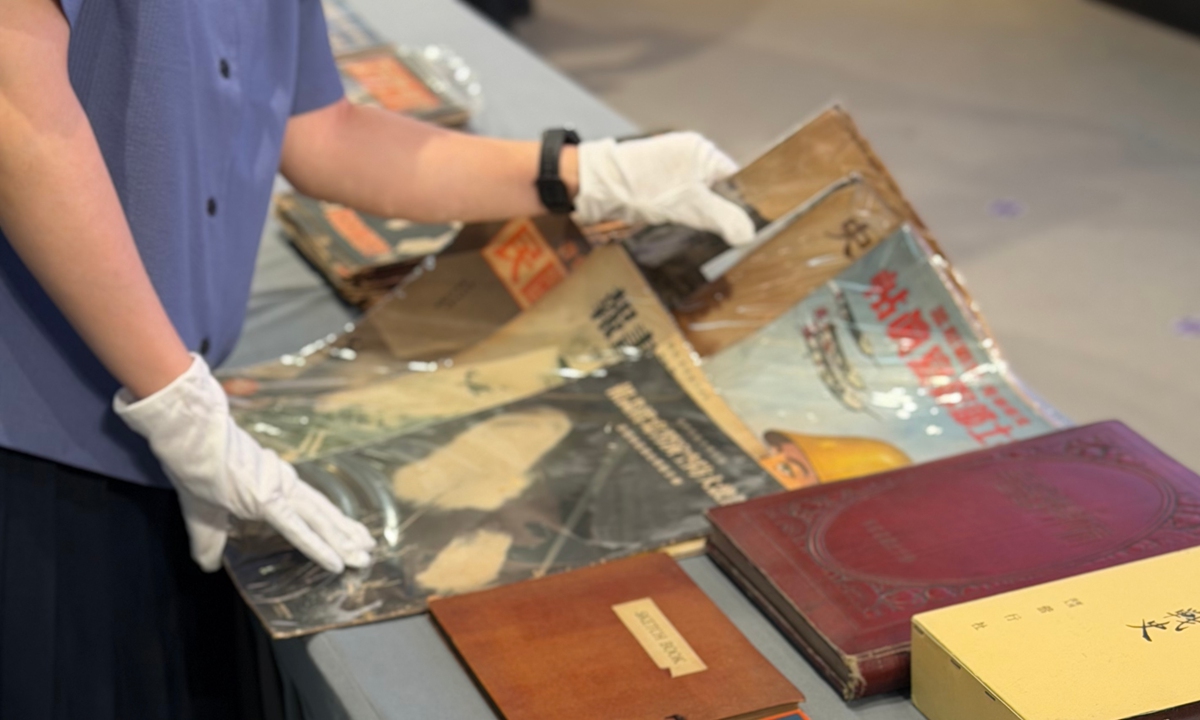
Zhou said that preserving history and historical records was once widely seen as the responsibility of museums, cultural institutions and professional scholars; however, today, more and more private collectors are taking the initiative, spending their own money to collect historical materials scattered across China and overseas.
Historical memory, he said, needs to be passed down from one generation to the next. The donors come from different generations, nationalities and backgrounds, but share a common respect for historical truth and commitment to justice.
Since the beginning of this year, the memorial hall’s Nanjing Massacre Documents Center has launched a global campaign to collect relevant historical materials, receiving support from various sectors both in China and abroad. Nearly 100 donors from China and overseas have so far contributed materials to the memorial hall, Zhou said.
。这便是第九批省级文物保护单位、“莆田二十四景”之一的夹漈草堂。 深山藏胜迹,文脉贯古今。

三 | 草堂的人文底蕴,源自其主人——宋代著名史学家郑樵。

四 | 郑樵(1104—1162年),号夹漈先生,出身书香门第。16岁丧父后,他隐居夹漈山潜心治学30载,以布衣之身笃志著书,终成200卷史学巨著《通志》,它与《通典》《文献通考》并称为中国典制体通史世著的“三通”。在治学过程中,郑樵提出“会通”“求实”“创新”的研究思想,在校雠学、目录学、动植物学、图谱学等多个领域大胆革新,为中华传统学术转型开辟了新路。 近日,记者踏访夹漈山,追寻“夹漈先生”特立独行的传奇人生,体悟莆仙大地绵延千年的求索初心与争先风骨。 东南网8月18日报道(福建日报记者 张静雯) 蛰居山林三十年 不辍著书千余卷 峰回路转,尘嚣渐远。穿越历史烟云的夹漈草堂静立在高山幽谷之间。

五 | 北宋崇宁三年(1104年),郑樵出生于宋兴化军兴化县广业里霞溪(今莆田市涵江区广山村)的书香门第。彼时,莆田科甲鼎盛、文教发达,是“比屋业儒,俊造如林”的文化之邦。

六 | 据《郑氏族谱》记载:“郑樵的曾祖子堂‘补太学,中漕司举,复中本贯’。祖父宰,熙宁三年庚戌进士”。其“父国器,太学生,尝捐资筑苏陂,人食其德”。

七 | “深厚的家学渊源,使得郑樵自幼便聪颖好学、刻苦勤勉。”夹漈草堂文物保护单位董事长余剑明介绍说,根据《福建兴化县志·儒林传》记载,郑樵“性资异人,能言便欲读书,为儿时已有脱落流俗志”。 郑樵16岁时,其父郑国器自太学返家时病亡于姑苏(今江苏苏州)。郑樵徒步千里到姑苏扶父柩归葬家乡越王山,并在越王峰下闭门诵读。不久后,郑樵与从兄郑厚在夹漈山结草屋三间,立志在此读尽古人书,通百家之学,讨六艺之文。 两宋之交,时局动荡,烽烟四起,但是闽中未遭兵火,私家藏书丰富。

八 | 酷爱读书的郑樵“闻人家有书,直到其门求读,不问其容否,读已则罢,去住曾不吝情”“周游所至,遇有藏书家,必留借读尽乃去”。余剑明说,经年累月,郑樵“搜尽东南遗书,搜尽古今图谱,又尽上代之鼎彝与四海之铭碣”。 靖康元年(1126年),金兵南侵,国势危殆。郑樵与郑厚联名上书,陈述抗金报国志向,但未得到官方回应。兄弟二人重返故里,继续读书研学。从南宋建炎三年(1129年)起,郑樵的著作便相继问世。 “这些著作不仅涵盖儒家经典探究等内容,还对礼乐制度、文字学、天文学、地理学、动物学、植物学以及医学等众多领域都进行了深入的论述和考辨。”文史学者、莆田学院图书馆馆长陈春阳认为,郑樵学问之广博,远超一般儒生,在古代读书人中尤为难得。 根据《新县县志》记载,绍兴十九年(1149年),46岁的郑樵亲赴临安,将已成稿的著述献于朝廷。书稿虽被诏藏至秘府,他却没有入仕,淡然返回夹漈山,自此潜心发奋,笔耕不辍。 绍兴二十五年(1155年),宰相秦桧病逝,时局变化,郑樵迎来了转机。绍兴二十八年(1158年),宋高宗召见郑樵时赞许道:“闻卿名久矣,敷陈古学,自成一家,何相见之晚耶?”随后,郑樵呈述撰修通史的构想,获得高宗首肯。 由于此前数十年分门别类的专题研究积累已极为深厚,郑樵将毕生学问熔铸于《通志》之中。绍兴三十一年(1161年),58岁的郑樵携《通志》再赴临安奏进。适逢金主完颜亮南侵,高宗赴建康督师,命郑樵待命进呈。次年春,高宗返回临安,诏命方下,而郑樵已于三月初七病逝于临安客馆。 郑樵一生勤于笔耕,著作等身。据后世方志与学者考订,其共计著书98种,约千卷之数,与郑樵自谓“山林三十年,著书千余卷”相合。可惜流传至今的仅有《通志》200卷、《夹漈遗稿》3卷、《尔雅注》3卷、《诗辨妄》6卷及若干零篇。 会通古今纳百家 严谨治学传千古 “万古不磨修史笔,四山长护著书堂。”郑樵纪念馆的这副楹联,道尽了后人对郑樵的敬仰。这位在莆田夹漈山中蛰居30载的布衣史学家,以“会通”之识纳百家之学,以“求实”之勇破千年之蔽,以“创新”之胆开后世之先,为中华文明留下了一座不朽的学术丰碑。

九 | 会通,是郑樵治学思想的精髓。他在《通志》中提出:“天下之理,不可以不会;古今之道,不可以不通。会通之义大矣哉!”循此指导,郑樵在修史与撰述等方面都尽可能地追求广博与通达。 郑樵之谓“求实”,强调躬行实践、求证求实。陈春阳说,郑樵提出做学问不能死守书本、夸夸其谈,要利用实物来印证书本知识。 郑樵一方面注意文献的考订、辨伪,不轻信盲从。他依据文献的记载加以互校,在校勘比对中进行考订。他创作《金石略》正是因为金石款识经久不变,“以兹稽古,庶不失真”。

十 | 他利用地下发掘的资料来从事史实考证,如在西汉“四皓”的名姓中,有人把“圈公”误作“园公”,郑樵利用出土的汉代石刻,考证应为“圈公”。 另一方面,他不局限于文献记载,重视实践,注重对图谱、实物等的研究。新县镇党委宣传统战委员林剑宾介绍说,据《新县镇志》记载,郑樵为了写《天文略》,不仅熟读《步天歌》,还在素秋之夜观测天象;为了写《昆虫草木略》,他则“结茅夹漈山中,与田夫野老往来,与野鹤晓猿杂处,不问飞潜动植,皆欲究其情性”。 郑樵治学的批判精神和创新胆识,尤为后世所推崇。陈春阳举例说,在《氏族略》中,郑樵直指当时谱牒攀附之弊:林氏攀附比干,李唐攀附老子,皆“徇私虚造”。他指出“著书之家不得有偏徇”,须“平心直道”,方得信史。

十一 | 此外,作为藏书家与文献学家,郑樵总结实践经验,提出“求书八法”,创立“类例”理论,并在校雠学、目录学、图谱学、金石学等领域大胆革新,构建起一套系统的文献学体系,影响深远。

十二 | 郑樵的治学思路对后世产生了积极影响。譬如,清乾隆三十二年(1767年)编撰的《续通志》640卷、《清朝通志》126卷,都是仿照《通志》的体例编撰而成的。 不过,从南宋至清代中叶,郑樵虽多为乡贤和地方长官所褒扬,然其真正学术价值一直未得到彰显。直到清代史家章学诚在《文史通义》中赞其《通志》“卓识名理,独见别裁,古人不能侵其先声,后代不能出其规范”,并称其以一己之力完成了司马迁、班固以来无人敢为之事,郑樵才声名鹊起。 近代大家梁启超评价郑樵道:“史界之有樵,若光芒竞天之一彗星焉。”鲁迅赞其《乐略》见解不凡,感叹其治学精神在当代已难重现,现代史学大师顾颉刚更将其视为“古史辨”运动的先声。 “三十年力学不下山,度量包罗天地;五百部著书曾诣阙,精神贯彻古今。”时光倏忽而过,郑樵那融会贯通、实证探索的治学精神,穿越时空,至今仍在激励着后来者。 夹漈流风润莆仙 千年文脉启新声 “老人们都说,这就是郑樵当年洗砚的水池,只要喝了这池里的水,你的笔下就能开出‘聪明花’。”站在夹漈草堂旁的石池边,福州大学数学系大三学生陈卓依兴致勃勃地为同行的两名同学当“讲解员”。

十三 | 作为莆田涵江人,陈卓依从小听着郑樵读书治学的故事长大。今年暑假,同学来家里做客,她特意把大家带到了这座高山幽谷间的草堂,想让远道而来的朋友也一睹家乡“学霸”的风采。 进入草堂,年轻学子们的目光就被“会通古今”的匾额深深吸引。在参观中,陈卓依又有了别样的感悟:“郑樵以‘求实’精神考订名物、辨析源流,这种严谨求真的态度,与数学世界里的严密逻辑和理性求证异曲同工,值得我们学习和发扬。” 年轻学子的感悟,折射出郑樵在莆仙大地的深远影响。在这里,郑樵至今仍是家喻户晓的先贤,人们对他充满敬爱之心。 这份情怀,并非只存于口耳相传的典故里,更被具象地刻进了夹漈山的山形水态之中。漫步山中,自成一体的“夹漈二十四景”如同一幅徐徐展开的长卷,无不彰显着郑樵的人格魅力:那块“下马石”,仿佛还回荡着朱熹造访步行的足音,见证着南宋士林对布衣学者的倾心;那方“曝书石”,似仍残留着秋阳与墨香的温度,诉说着郑樵三十年蛰居治学的勤勉;那座“占星石”,引得后人遥想他素秋之夜仰观天象、撰写《天文略》的专注;就连“出米石”中“书童贪心洞飞白鸟”的民间笑谈,也满含着百姓对这位先贤的善意调侃与由衷敬重…… 承先贤遗风,莆田市涵江区紧扣郑樵“会通、求是、创新”的学术思想内核,统筹所涉乡镇、村庄协同发力,从机制构建、文旅融合、数字赋能等多个维度积极探索,让千年文脉在新时代焕发光彩。 新县镇镇长黄滨介绍说,该镇主要围绕四条主线开展工作:一是“重保护”,联合福州大学建筑与城乡规划学院,探索夹漈草堂周边人居环境提升方案;二是“立品牌”,成立专管机构,打造“夹漈先生”IP,连续4年举办活动,让文化名声“响”起来;三是“促融合”,推进4A级景区建设,修好森林步道,让“文化+体育+旅游”的路子“活”起来;四是“续文脉”,编好书、做好数据确权,用数字化手段把文化保护的“根”扎牢扎深。

十四 | 夹漈山脚,田园山色掩映下,大小村庄错落有致,郑樵故里纪念馆便在其中。 郑樵故里纪念馆位于白沙镇广山村,其前身为广业书院,系清乾隆年间林廷擢等人为纪念郑樵而建,1972年拆除。2003年,在乡贤推动下,广业书院于原址重建。2023年,广业书院落成,同时挂牌郑樵故里纪念馆,作为陈列郑樵著作、展示其生平的文化教育基地。

十五 | 如何推动郑樵文化从“保下来”向“用起来”转变?广山村村党支部书记魏祖选介绍,该村以郑樵文化为核心,融合非遗民俗与生态农业,打造沉浸式研学课程,如依托玉米、西瓜等果蔬采摘项目,串联起书院讲学、非遗体验、山水游乐等多元场景,让市民在“游”与“学”中,近距离感受郑樵严谨治学的精神魅力与乡土文化的独特韵味。 在持续探索中,涵江区逐渐找到了“夹漈先生”IP打造的突破口。 “我们的受众主要是广大学生,传承弘扬郑樵的治学精神,关键在于把学生们‘请进来’。

十六 | ”涵江区文旅局局长陈丽琼介绍,该区立足本地院校资源优势,联动本土高校教研力量,依托社会实践研学、校园第二课堂、专题研学课题等多元载体,构建校企合作新样板。

十七 | “眼下,随着青春活力的注入,传统文化在地方发展中焕发出新生机。

十八 | ” 记者手记 激活文化IP 赋能文旅长红 福建日报记者 张静雯 当下文旅产业迭代升级,大众旅游消费理念持续转变,游客早已不满足于走马观花式的山水观光,愈发转向兼具文化底蕴、沉浸体验与情感共鸣的品质业态。深耕郑樵文化、做强“夹漈先生”IP,是激活涵江文旅资源、赋能莆田文旅产业高质量长效发展的关键抓手。 打响特色IP、扩大品牌声量,是文旅破圈的首要前提。郑樵“会通古今”的治学胸襟、“求实创新”的治学精神在当地广为流传,但在外地知名度不高。对此,需深度挖掘“夹漈先生”文化内核,依托文艺展演、文化节庆、文创研发、全媒体宣传等多元方式,让古籍中的先贤形象鲜活起来,打造有故事、有温度的地域文化符号。 业态融合是文化IP长效发展的核心支撑。要以“夹漈先生”IP为纽带,串联文化、产业与旅游资源,推动文旅“吃住行游购娱”全链条提质升级。要持续优化城市风貌与景区配套,打磨游玩体验、提升服务品质,为游客提供优质的文旅情绪价值。 同时,立足郑樵读书、观星、著述的历史场景,融合研学游学、户外探秘等新兴业态,深化“游中学、学中悟”的融合模式。要创新沉浸式、互动式文旅场景,打破传统观光局限,增强游客参与感和代入感,实现游客从“路过观景”到“驻足留驻”的转变。 文脉为魂,业态为基。

十九 | 深耕活化“夹漈先生”文化IP,让千年文脉可触可感、可体验可传承,方能在激烈的文旅市场竞争中脱颖而出,助力地方文旅产业长效繁荣、行稳致远。

| 广业书院 月井 “夹漈二十四景”之一的洗砚池 张静雯 摄 郑樵纪念馆外景 张静雯 摄 远眺夹漈草堂。张静雯 摄 夹漈草堂(右)航拍图 林鹏 摄。
Current article:http://vavde.feizengbubaipeirangnalouchuo.sbs/news/20260826_893.html
Published on:22:07:13


1
대법원장 두고 여야 설전…"조희대, 사법부 정쟁 한가운데로 몰아" vs "與가 몰아넣어"2
Tropical Storm Norma could become Category 3 hurricane before hitting Mexican resorts3
【仓单】8月26日上期所沪锡期货仓单较上一日增长241吨4
扣篮界的黑八!陈登星凭借飞人臀下换手坐扣 淘汰NBA扣篮王麦克朗5
卡尔:约基奇本可成历史前十 却被掘金耽误了6
邮件群发是什么?一文看懂邮件群发工具7
WNBA-韩旭贡献6分1板1助1帽1断 助自由人20分逆转8
美国火灾更大危险来临!大火持续烧,洛杉矶却传来“好消息”9
AMD起诉专利侵权联合开发部门:涉及APU和GPU技术10
외국인 비중 70%…롯데호텔, ‘K-트래블’ 혜택 강화11
全网催更的低糖版终于来了,但旺旺的麻烦不止“太甜”这一件事12
摩托罗拉Moto P40/Z4 Play Shell渲染曝光:前者使用穿孔屏幕13
US Lawmakers Urge Gun Manufacturers to Testify After Mass Shootings: Committee14
全市新时代廉洁文化建设推进会召开15
《中国eVTOL产业发展研究报告》发布:成都企业具全球竞争力,有望成为“全球eVTOL第一城”
- 随机推荐
1
自身多重问题导致美国通胀“高烧不退”2
【快乐·学生】荣光三十竞技场 松柏少年显锋芒 ——厦门市松柏小学第二十届田径运动会3
沙奎尔-奥尼尔创办的DUNKMAN联赛打响,中国扣将陈登星登上国际舞台4
债券ETF规模悄悄创了新高 净值也接连上涨 这是什么信号?5
官宣!41岁C罗与32岁乔治娜低调结婚 婚礼私密温馨 婚前协议曝光6
宗馥莉再罢免“心腹”:人力资源部部长寇静被免职7
抵制所有比赛!欧足联“硬刚”国际足联8
哈尔科夫失利,泽连斯基将责任推给全世界:各个国家都要为此负责9
धनु से मीन Aaj Ka Rashifal 27 अगस्त 2025: कुंभ वाले जीवन में अपनाएं नए विचार, जानें बाकी राशियों का हाल10
钱塘区持续擦亮“银耀钱塘”企退文化品牌11
Actor Rajasekhar Undergoes Three-hour Surgery After Suffering a Leg Injury12
中信证券:银行中报信号积极,绝对收益空间料将延续13
日本最高龄男性去世:终年112岁 长寿秘诀是"顺其自然"_上田_王珊宁14
湖人前老板麻烦缠身 资产无一安全&有坐牢可能性15
Microsoft To Do Windows 10 UWP Edition更新:多个任务用于Stick跟踪列表